

Learning how to reduce the use of plastic can feel really overwhelming.
Instead of trying to do it all at once, I’ve made it a matter of repeated steps.
In other words, it is a series of decisions that we make over and over again to purchase things with less or no plastic.
The biggest motivators for our family are both:
- reducing the pollution of microplastics into the environment and
- minimizing the effects of these endocrine disrupting chemicals on our health
I celebrate every purchase that I’m able to make that aligns with our values. I’m nowhere close to being zero waste, I try to be lower waste and lower plastic.
At the same time, I’m gentle with myself when I realize there’s an area where I’ve been using plastic unnecessarily. Be careful to not put unnecessary pressure on yourself.
As I was writing this, I was reminded of some habits that I had fallen off track with. This has been my reminder to get back on.
In this post, you’ll learn my best hacks for how to reduce the use of plastic and what that practically looks like in my kitchen. (Yes that is my kitchen in the picture above!)
I’m starting with the kitchen because it affects much of what we put in our bodies!
How To Reduce The Use Of Plastic Hacks
At first, I tried searching for plastic free <product name>, but I wasn’t finding the items that I wanted. What I’ve learned to do instead is searching for:
- Product name + material alternatives to plastic like:
- Metal
- Wood
- Stainless steel
- Silicone
- Rubber
- (Or whatever material it might be using instead of plastic.)
Usually I’m able to find a plastic free alternative or less plastic product.
However, sometimes I can only find a version of the item with a plastic that doesn’t touch my skin or my food, but other parts of the product do have plastic. For example, for a hot water kettle I got one with insulation to keep my hands from getting burned (and the little hands in my house!) But no plastic comes into contact with the water or steam.
In these cases I tried to make the next best decision. Sometimes I found plastics that can be easily taken apart to be recycled and/or plastics without forever chemicals.
Again, as you navigate this be careful to not scrutinize yourself in a way that causes an internal hypervigilance. May you make these changes from a place of ease.
And for the times when something isn’t available without plastic, I try to borrow it or get it second hand.
So let’s get cooking in the kitchen!
Note: If you can’t see the product images, try turning off your browser’s ad blocker for my site. ☺️

How To Reduce The Use Of Plastic In Your Kitchen
Whether you’re just starting out on reducing your plastic consumption or you’ve done it for years, I know you’ll find some hacks for how to reduce the use of plastic in your life.
Let’s start with that kettle I already mentioned.
Kettle
While this kettle has plastic on the outside, no plastic comes into contact with the water. It’s not a plastic free kettle.
You see, what I didn’t know earlier on in my health journey is that having hot water inside items with plastic lids mobilized microplastics to leech off of condensation. This then drops microplastics down into your drink. Gross!

I checked my Amazon history to confirm. I ordered and returned 5 other kettles that I thought were all glass and metal, but had plastic coming into contract with the steam or water in the lid or spout. This kettle only has stainless steel in contact with the water and steam.
We prefer the plastic insulation on the outside for little hands instead of glass.
Here’s what else I use to cook items in that reduce our plastic consumption.
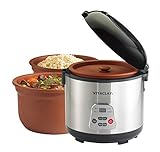
Clay Rice Cooker
Before I had an Instant Pot, I had this clay rice cooker. It worked well, except I preferred to use extra water. If you don’t use enough water, the rice gets caked on.
However, I did end up giving it to a friend after I got an Instant Pot since it was redundant.
Learn more about my decluttering journey in this post.
Slow Cooker / Pressure Cooker
I’m so glad I got this Instant Pot. I use it almost every day. This one did die after 5 years of use, but it was shortly after I got it really wet on accident which I blame on user error…. and we were given a similar model that we’ve had for a couple years now. (They had upgraded to the air fryer model so this went unused.)
For me the appeal is that it’s only stainless steel that touches your food and there’s a silicone seal in the lid. No plastic!
I do replace the silicone rings every couple years. (These are what enable it to seal closed to cook under pressure.) They tend to pick up a garlic / oregano smell after a while under repeated use.
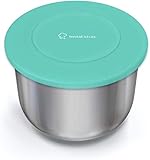
For leftovers and cooking on the go, I love my silicone lid for my Instant Pot.
Here’s what I use for foods that won’t fit in my Instant Pot.


Baking Dishes
I did try some ceramic baking dishes that were tested for toxic metals like lead, but we broke them all within 5 years.
This is my go to baking dish set. We got 2 other sizes as wedding gifts, but these are the most practical 2 that we’ve kept for a decade now.

Parchment Paper
We tend to use a lot of animal fats like butter, tallow, and lard so food sticking isn’t usually a problem. Occasionally though I’ll make a dessert with a crumbly coconut flour crust and I want a barrier between that and the pan.
For those, I love the If You Care Parchment Baking Paper Sheets. They are unbleached, chlorine free, and silicone coated.

Silicone Mats
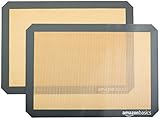
Once I knew I liked baking with silicone, I got these silicone mats. They make working with some of the gluten free flours like cassava flour easier.
However, I feel like they attract dust and other schmutz in the cupboards so I always rinse them before each use.
For leftovers, here’s how we store stuff in the freezer and fridge.
Ice Cube Trays
I initially tried some metal ice cube trays, but I had a really hard time getting the ice to crack easily. As someone with chronic pain, I need the items that I buy to be easy to use.
I ended up getting rid of the one where of the sides were connected because it was too hard for me to pop out. (Imagine a grid with all the sides touching.)
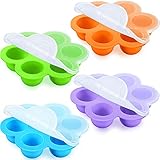
I found that the silicone ice cube trays that have individual slots for the ice that aren’t all connected were the easiest to pop ice out of.
Once we had kids, I used these for baby food too.
Now, I shape tallow cubes in them!
Silicone Bags
Be cautious of the plastic reusable bags that have a lot of greenwashing. A few years ago, I asked for the resealable silicone bags for my birthday. I got a bunch of plastic ones. They advertise reducing single use plastic… which is true, but they still have plastic.
Instead, opt for the 100% silicone ones like these bags from Stasher. The set is a great way to save money.
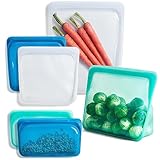
Beware of other brands of silicone bags with strange sealing mechanisms. I was also gifted another brand that had a plastic slider to seal it. Not only did I not like the unnecessary plastic, but they don’t glide well at all. Plastic and silicone don’t like each other very much.
Even though I use silicone from time to time, I prefer glass when I can get it.
Plastic Free Storage Containers
I try to buy as much food as possible in glass because glass can be recycled an infinite number of times, while plastic can only be recycled a few times and the process releases microplastics.
I also use plastic free storage containers for food.
For a bit, I also bought stainless steel for plastic free food containers. However, we tended to forget what was inside because we couldn’t see it. And we were never motivated enough to label them….
The two brands of glassware that have lasted the best are pyrex and snapware. (Other lids broke after a couple years.)
This is the Snapware set we’ve had for years.
We did try some of the pyrex plastic lids without the snap feature and they leaked.
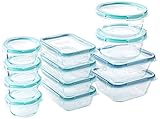
They do have some silicone options, but I’m hesitant to try them. Let me know if you have and if they are leak proof.
The main thing is we don’t put hot food in them with the plastic lid on. We wait until they cool so condensation doesn’t form and drop into our food, and we don’t overfill them so the food doesn’t touch the plastic lid.
Mason Jars
I’m grateful that I have inherited most of my Mason jars from my canning loving relatives. But if I ever ran out these are the ones that I would buy to replace them.
Here are the standard sizes we use:


If you aren’t a canner, you can donate the plastic lined lids that come with most mason jar sets.
Just be careful that if you freeze them, the wide mouth jars can only be filled about 85% because of expansion and the regular width mouth ones can only be filled about 70%. I’ve cracked a few jars because I overfilled them.
Mason Jar Lids
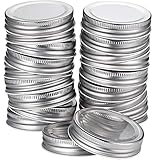
Also be careful to not buy mason jar lids with hidden plastic. I haven’t gotten into canning much myself, but all the sealing lids I’ve seen so far have a plastic liner. Let me know if you know of a product that doesn’t have this!
For leftovers and frozen foods, I prefer metal lids with silicone sealing bands. If I don’t think something is going to tip over, sometimes I’ll skip the silicone band. But it’s really useful if there’s any chance of it getting tipped over and it prevents leakage.
Here are the regular width mason jar lids and wide mouth metal lids with silicone sealers.
Here’s what else we’ve tried in glass.

Glass Mugs
In the spirit of avoiding visual clutter, we got these glass mugs for hot drinks.
This brand is not kid friendly if you have little ones helping with dishes. We broke this set in two years. It’s not sturdy, but many ceramics have heavy metals. I did like the double insulation.
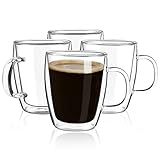
Let me know if you have a brand of larger ceramic mugs that tests for metals!
Insulated Coffee Mug
My husband loves to drink his coffee outside in the mornings. He felt like the ceramic and glass mugs cooled off too fast. So we got this Hydroflask double insulated mug to keep his coffee warmer for longer.

Here’s the other insulated mug we use to carry hot food.
Insulated Mug
I tried another brand that advertised being metal, but the lid bottom was plastic. This meant all the steam from hot foods and drinks mobilized microplastics and drips back into the food.
This brand of insulated mug has metal on the bottom of the lid instead.
As you can tell, we love our hot food and drinks around here.

Plastic Free Coffee Press
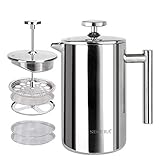
We’ve had a stainless steel french press 2017 without issue, but the brand isn’t on Amazon anymore. Here is a similar stainless steel french press. I’ve used other Secura products so I trust the brand.
While my husband like coffee, I prefer tea.
Metal Infusers
One way we try to reduce our plastic consumption is by using metal tea infusers for loose leaf tea.
Once when I was at the health food store nearby, I saw them unloading these bags of dried tea and herbs. I was annoyed that I imagined some other type of plastic free resource, but from thereon, I bought these bags myself.

You can see the teas I like to drink in my plant points list here!
Plastic Free Tea Bags
However, I don’t always want a huge bag of tea the first time I try something.
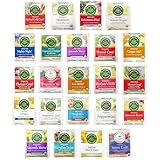
Traditional Medicinals guarantees no plastics in their tea bags. This herbal tea sampler pack is a great place to start!
Speaking of bulk foods, ever since I saw the large bag in the so called bulk area, I started buying items I use in large quantities myself.
Buying Non Perishables in Bulk
While I can usually buy herbs and teas in the bulk area, because of my severe gluten sensitivity, unfortunately, I’m unable to buy products in bulk that are in the same vicinity as gluten grains because I react to them.
Because I rinse and/or soak most of my beans or grains, I was hoping that could get rid of the cross contamination… but it didn’t work for me.
For these reasons, for now I buy most of my non perishables from Thrive Market.

There are a few heirloom beans I can’t get from Thrive or occasionally they are cheaper to buy in bulk from Amazon.
These cranberry beans aka borlotti beans have been MIA off Thrive for a while so I got them in bulk off Amazon.

Salt Shaker
We use a lot of salt in our house, so the little glass shakers are annoying. We wanted more salt at a time.
However, you do have to be careful that you don’t get it wet. Wet salt makes metal rust.
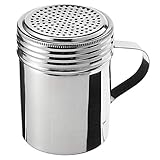
In the spirit of full disclosure, I’ve had to rebuy this stainless steel salt shaker a couple times over the last decade because someone either spilled water on it, or put it too close above steamy hot food on the stove. So we just look like salt bae when we pour salt over hot foods.
Plastic Free Kitchen Tools
When I got married, I registered for both this stainless steel kitchen tool set by OXO and measuring cup and spoon set.
They’ve been very durable. The only exception is one of the small measuring spoons got bent when it was smashed during a move. And then I foolishly used it to stir some sticky food to save a utensil and the end snapped off.
However, it looks like they slightly changed the spoon design in the last decide to solve that problem.
Related Article: See my best moving tips here!


Recycled Paper Towel
We keep a towel bar for what we call “floor towels” on the side of our dining room.
While we try to reuse towels as much as possible, I buy this recycled, unbleached paper towel.
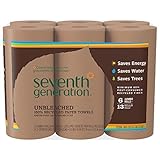
As of my writing this, it’s cheaper to subscribe to it on Amazon than to get it off Thrive Market.
Tree Free Napkins
In the same way, we try to use towels for most messes. But for spills that would ruin rags, I keep these plastic free napkins on hand.
Even the outer wrapper is made from plants instead of petroleum products!

Plastic Free Sponge
To avoid plastic on our dishes and on our skin while doing them, we use these plastic free stainless steel scrubber sponges. Some people also call them scouring pads or balls.
I tried some silicone scrubbers, but did not find them effective.

We also tried bamboo brushes, but they weren’t very resilient. However, wood can be a great alternative on other plastic free kitchen products!
Cutting Boards
Not only do you want to avoid plastic cutting boards, but you also want to know what your cutting board was treated with. Many of the eco friendly and non toxic claiming cutting boards use food grade mineral oil that comes from petroleum. Some even use petroleum waxes. Gross!
Look for what the wood is “oiled” with. Not all food grade edible oils are acceptable in my book.
Just as important, you want to ensure that the oil on the cutting board isn’t going to go rancid on you. This means you want an oil with a higher smoke point (which aren’t as sensitive.) So don’t oil your cutting board with olive oil.
Instead, look for something oiled with coconut oil or flaxseed oil. I wonder if beeswax could work? Let me know if you’ve done this already!
It’s also tricky because “organic” labeling laws on wood are not the same as food. There’s a lot of greenwashing.
You also want a cutting board that doesn’t contain glue. Most glues have petroleum based chemicals similar to plastics that are hormone disrupting. Look for a single chunk of wood.
I haven’t found anything that fits these standards on Amazon. I’ve had the same cutting board set for almost 15 years… I think I oiled it once with coconut oil.
When it’s time to replace mine, I’ll report back with what I find. I might end up having someone local make it and then oil it myself. Let me know if you’ve already gotten petroleum chemical and plastic free cutting board and share in the comments below.
Another tip I learned is that if you have a cutting board without the plastic feet, you can set the cutting board on top of a towel to prevent it from slipping around underneath you.
Now, how do we get all these dishes clean?
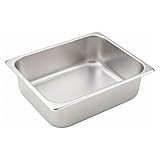
Dish Pan
When our plastic dish pan kicked the can, we replaced it with this stainless steel metal pan in 2017. We’ve used it daily ever since. And yes, it’s the same brand as my tall sided baking sheets!
Compostable Disposables
If you’re in a situation where you can’t do your dishes, opt for compostable instead of paper plates! Paper plates are coated in plastic wax. The petroleum chemicals will get in your food, especially if the food is warm.
Beware some compostable products are made from gluten or corn. I’ve reacted to plates I didn’t realize were made from wheat.
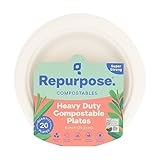
I’ve gotten the Repurpose Compostable brand off Thrive Market as a free gift on orders multiple times. They’re made from sugarcane pulp, wood scrap, and eucalyptus.
And of course, one of the hallmarks of celebrations are birthday candles!
Beeswax Birthday Candles
Instead of petroleum based candles in cakes, we use beeswax candles.
I’ve had this pack since 2020 and have reused them at various celebrations.
Sometimes that brand goes out of stock. Here are the birthday beeswax candles I’d get instead.

How Will You Reduce The Use Of Plastic?
Please don’t throw away everything in your kitchen. Good stewardship uses up what you’ve already bought instead of just throwing it in the landfill.
May this be inspiration for what you replace your current items with when they break down as you learn how to reduce the use of plastic in your daily life.
Again, have grace on your journey to better health and environmental stewardship. We’re all doing the best we can.
Stay tuned for my next post about reducing plastic in other areas of your house!
What did I miss? What would you add to the list of plastic free or plastic less items for the kitchen? Share in the comments below!
 Pastor SJ
Leave a comment