
I’ve already shared how to reduce the use of plastic in your kitchen, and now you’ll learn how to reduce the plastic in your clothes and apparel.
It’s crazy all of the green washing that can happen with our clothing. Even recently, I fell victim to some greenwashed products.
As a teenager I hated the feeling of wool because it made my skin itchy.
For that reason, I avoided wool for nearly two decades. But I’ve fallen in love with wool. My appreciation has grown since we’re in an outdoor playgroup where we try to play outside no matter the weather.
And the wool is super cozy at keeping you warm.
I started with a couple hand me down sweaters and then I was excited to try some wool socks.
I went on Amazon and typed in merino wool socks. I looked at the reviews and decided to add a pair to my wish list. Less than a year later, a dear family member was happy to give me the wool socks for my birthday.
I excitedly washed the socks, but then when I went to wear them for the first time I noticed they didn’t feel the same as the 100% wool sweater I had.
I wondered if it was just a different type of role like merino versus cashmere.
But to my horror, I realized my socks were not 100% wool. In fact, they were 35% polyester, 15% cotton and 5% elastane.
I’ve learned to be so diligent when reading food labels and to not trust the ads on the front of the packaging. But I had no idea the amount of greenwashing that also occurs in the advertising on our clothing.
How To Reduce The Plastic In Your Clothes: What To Avoid
In order to avoid plastic in our clothes, you have to know all of the unique names that plastic charades under in the clothing industry.
I’ve shared them in my other blogs about how to reduce plastic use in your bathroom, but in case you missed it, some of the common plastic derived fabrics are:
- Polyester
- Rayon aka visocse
- Spandex aka elastane or lycra
- Acrylic
- Nylon
- Fleece
- Velvet
- Vegan leather
- etc
This is important because none of the above plastic based fabrics are biodegradable.
Every time I can find some clothes without any other materials from above I consider it a win in my book.
I try not to buy clothing items with unnecessary plastic like spandex and fleece. It is nice that baggy clothes are coming back into style, so not everything needs spandex to fit well. For example, in lieu of fossil fuel based fleece, I’m layering up with materials like wool instead.
I once bought a fleece made from recycled plastic, however, a friend pointed out to me that products made from recycled plastics may contribute to our global micro plastic pollution problem. Let me know if you have good statistics on this environmental impact.
I try to not have my remaining fleece clothes touch my skin, do spot treatments, and I only run it through the washer once a year. Furthermore, I hang it to dry so it doesn’t mobilize any extra micro plastics in the heat of the dryer. I have heard that loosely woven fabric like fuzzy fleece will shed micro plastics more than a tightly woven one.
The other thing you need to know about recycled plastic is that each time plastic is recycled, it weakens the materials to the point that it is unusable after only a couple reprocesses. A parallel with food is that glass can be recycled an infinite number of times while plastic can’t be. It’s another reason why it’s important to reduce the plastic in our clothes.
So I tried to reserve buying recycled plastic for items that I cannot find a plastic free version or alternative for.
How To Reduce The Plastic In Your Clothes: Next Best Options
However, sometimes we need items for practical reasons that don’t work without some type of non plastic layer.
In these cases in which I can’t find a non plastic option, I try to find the next best options. Here’s how I wade through those decisions.
As I said above, I will wear my tightly woven plastic clothes more often than the loosely woven ones.
For items that I want waterproof like a raincoat or computer bag, I will look for the Oeko Tex certification.
Here’s what they claim:
“OEKO-TEX® STANDARD 100 is a label for textiles tested for harmful substances. It sets the benchmark for textile safety, from yarn to finished product. Every item bearing the STANDARD 100 label is certified as having passed safety tests for the presence of harmful substances.
-The certified article is harmless to human health
-Every thread, button and accessory have been tested against a list of over 1,000 harmful substances
-The more intensive the skin contact, the stricter the human ecology requirements and laboratory tests
-We use globally standardized test criteria
-The certification complies with international requirements and regulations
-We review our limit values for harmful substances at least once a year”
Beyond Oeko Tex, I’m hesitant to buy items that advertise only PEVA free or phlalate free.
Similarly, I do not trust BPA free because it’s only been replaced with BPS or similar materials that are just as harmful.
I want to see a long list of their values. We got this Honest diaper bag from a baby registry.
“Made without: PVC, latex, brominated flame retardants, polyurethane foams, glues, heavy metals, chlorine processing, phthalates, BPA, BPS, or AZO dyes”
Even though it does have some plastics, it doesn’t have the more toxic ones like forever chemicals.
However, I do concede that this is not always something that’s available when you need to make a last minute purchase. It takes a bit of planning ahead and mental hurry to adapt to fit these values.

I hope that in the near future these more sustainable options will be available at regular grocery stores and accessible for all.
We can’t avoid plastics in clothes such as team uniforms or merch swag, but we avoid it when we can.
One time I was able to get a mission trip team to print our team shirts on 100% organic cotton shirts to reduce our environmental impact.
Another way to reduce buying plastic first hand even though it takes more time is to buy items second hand.
For those who have the time and energy to look through thrift stores, I’d still suggest avoiding products that come from plastic materials because when you wash them you’re going to release micro plastics into the environment.
How To Reduce The Plastic In Your Clothes: What To Look For
Here are some of the plastic free clothing materials:
- Cotton
- Hemp
- Wool
- Linen
- Silk
- Bamboo
- Animal based leather
The tricky thing is that a lot of brands will put hemp or wool on the front of the label, but then list a plastic material on the backside.
To be honest, I’ve stayed away from 100% hemp clothes because they get really wrinkly fast and require ironing with each wear.
I also will typically wear a layer of cotton between my skin and any wool on my body other than socks. Even though it’s cozy warm, I still find it somewhat itchy.
Now I’ll look for 100 percent natural leather and I’ve even seen some brands advertising pasture raised leather products like belts.
It’s even better when I can find pieces that are certified organic or even fair trade certified.
It’s even better when you can get fabrics organic, because it reduces the amount of pesticides I go into the environment to make them.
I’ve seen shirts that claim 100% organic cotton but they have large amounts of plastic printing on the front. I reached out to a few brands asking what the printed material was on the front of the shirts and they never replied to me. Let me know if you’ve ever gotten any answers on this.
For now, I’m opting for organic cotton and wool as much as possible. I have stayed away from hemp because it has to be ironed.
Here are some of the brands we’ve liked:
- Pact
- Maggie’s
- LL Bean
- Duluth Trading
How To Reduce The Plastic In Your Shoes
For shoes, we’re trying natural rubber with cotton lining. Here are smaller options for little kids.
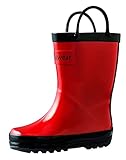
I would love to hear in the comments what you get for plastic free shoes for adults.
I’d love a pair of authentic moccasins but I’m unsure where to buy them from!

How To Reduce The Plastic In Everything You Wear
Remember, that in the same way that you read food labels by not just looking at the advertising on the front of the packaging but looking at the exact ingredients.
Likewise with clothing if you want to look at the materials list to confirm what you’re actually buying. Just like when I thought I was buying all wool socks that were made of plastic, we can all fall victim to false advertising from time to time.
You can also apply these same principles for how to reduce plastic around the rest of your house.
What items did I miss? How else are you reducing plastic in your clothes and wardrobe?
How To Reduce The Plastic In The Rest of your house
Source:
https://www.oeko-tex.com/en/our-standards/oeko-tex-standard-100
 Pastor SJ
Leave a comment